
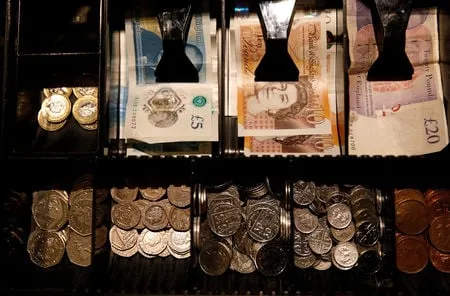
On Monday the pound sterling traded lower while the euro extended its decline amid investor concerns over artificial intelligence that weighed on equity markets and tempered expectations for US rates.
On Monday the pound sterling traded slightly lower while the euro extended its decline. The cause was investor concerns linked to artificial intelligence. These concerns affected equity markets and lowered expectations for US rates, casting doubt on the dollar’s status as a safe-haven asset.
By 11:25 Moscow time the GBP/USD pair was down 0.11% at 1.3314. EUR/USD fell 0.31% to 1.1203, the lowest close since 14 October. Early in the session the euro touched an intraday low near 1.1182. EUR/GBP slipped 0.23% to 0.8414, close to its 52-week low.
The US two-year OIS/SOFR rate has fallen 25 basis points since the 14 October US CPI release. The move stems mainly from AI concerns in the absence of fresh macro drivers, noted ING currency strategist Francesco Pesole. Markets are following a clear logic: equity-market turbulence reduces expectations for Federal Reserve tightening even though inflation remains high.
The dollar could lag many other G10 currencies if stock-market volatility originates in the technology and AI sector. ING nevertheless does not view this as the start of a broad dollar downtrend. With the FOMC in an information blackout ahead of its meeting, no Fed speakers are scheduled this week and the US economic calendar is light.
ING sees little chance that Fed officials will sound dovish at the October meeting. This view is more hawkish than current market pricing. A December rate hike remains a plausible scenario. A return of the dollar index toward 101 is possible in the coming weeks, yet further downside appears limited.
Pressure on the euro stems from France, where ongoing mass protests are expected to weigh on domestic equities and could spill into the bond market. The spread between 10-year French OAT and German Bund yields remains around 135–140 basis points. ING’s short-term fair value for EUR/USD is 1.137–1.139, implying the currency is 1.3–1.5% undervalued. The main event of the week is Friday’s euro-zone PMI releases. Tuesday brings Germany’s ZEW economic-sentiment index. ING’s one-month target for EUR/USD stays at 1.130. Risks are balanced: downside stems from French fiscal tensions, while upside could come from renewed AI worries.