
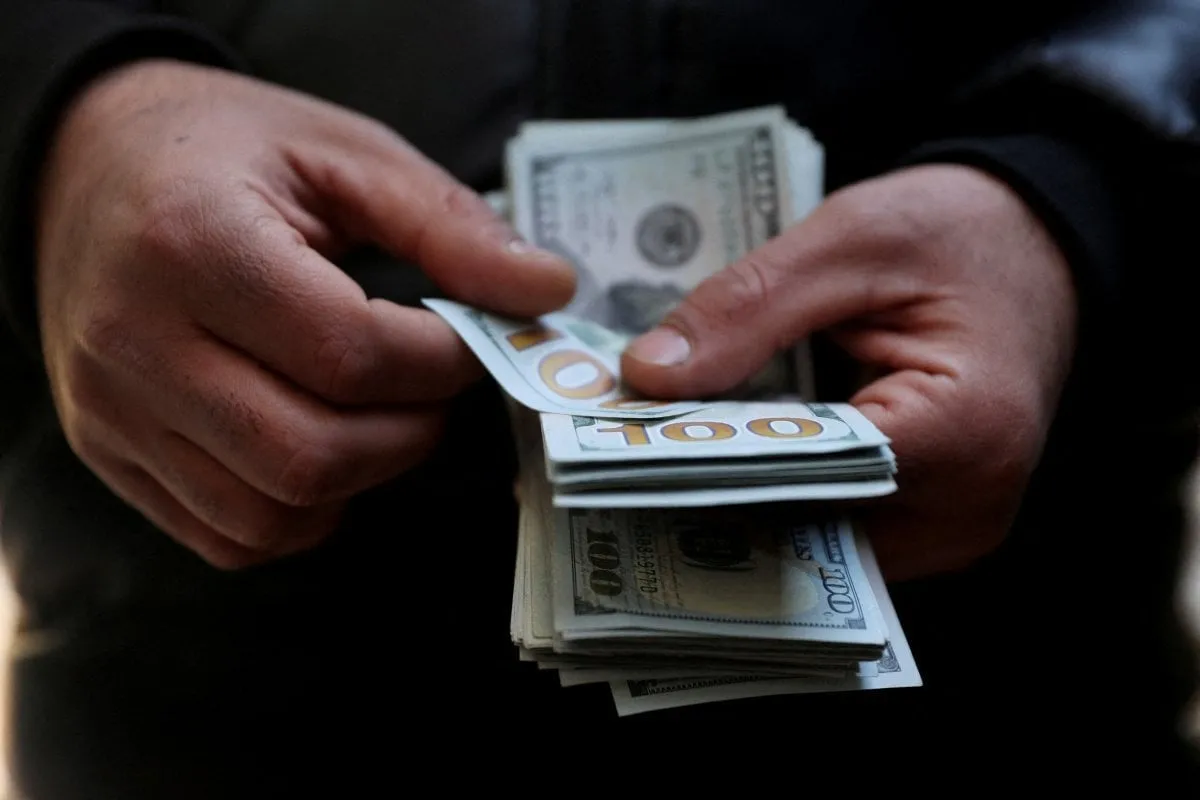
On Tuesday, Asian currencies traded in different directions: the yuan weakened after measures by the People's Bank of China, and the won recovered amid falling oil prices and expectations of US elections.
On Tuesday, Asian currencies showed mixed dynamics. The yuan weakened after actions by the People's Bank of China aimed at curbing its recent strengthening. The South Korean won recovered, while the US dollar held near a monthly low. Investors assessed the decline in oil prices and the US midterm elections.
The dollar index remained virtually unchanged at 101.80 points. The USD/KRW pair fell 0.5% to 1339.30, reflecting the won's strengthening. The USD/CNY pair rose 0.3% to 6.6690, and the onshore pair added 0.3% to 6.6702. The USD/JPY rate remained almost unchanged at 157.88.
The yuan's decline followed the PBOC's decision to raise the foreign currency reserve requirement by two percentage points — from 4% to 6%, effective November 15. This measure is expected to withdraw about 24 billion dollars from the financial system by absorbing part of the banks' dollar liquidity. The offshore yuan is on track for its first decline in almost three weeks.
Nevertheless, since the beginning of the year, the yuan has appreciated more than 5% against the dollar, becoming one of Asia's strongest currencies thanks to robust exports and a trade surplus. The dollar received no significant support from the renewed flight to safety, as investors cautiously entered November ahead of the US elections.
Oil prices fell more than 7% on Monday after Tehran's statement about continuing contacts with Washington. The won's recovery followed a sharp quarterly strengthening of about 13% in the third quarter. South Korea's October exports grew 93.7% year-over-year due to a 259.4% surge in semiconductor shipments.
The rupee and Australian dollar were in focus amid regional statistics and rate decisions. The Australian dollar remains under pressure ahead of the Reserve Bank of Australia's decision, where markets expect a 25 basis point rate hike to 4.85%.